4-Day Gerenuk: Ngorongoro Crater and Serengeti
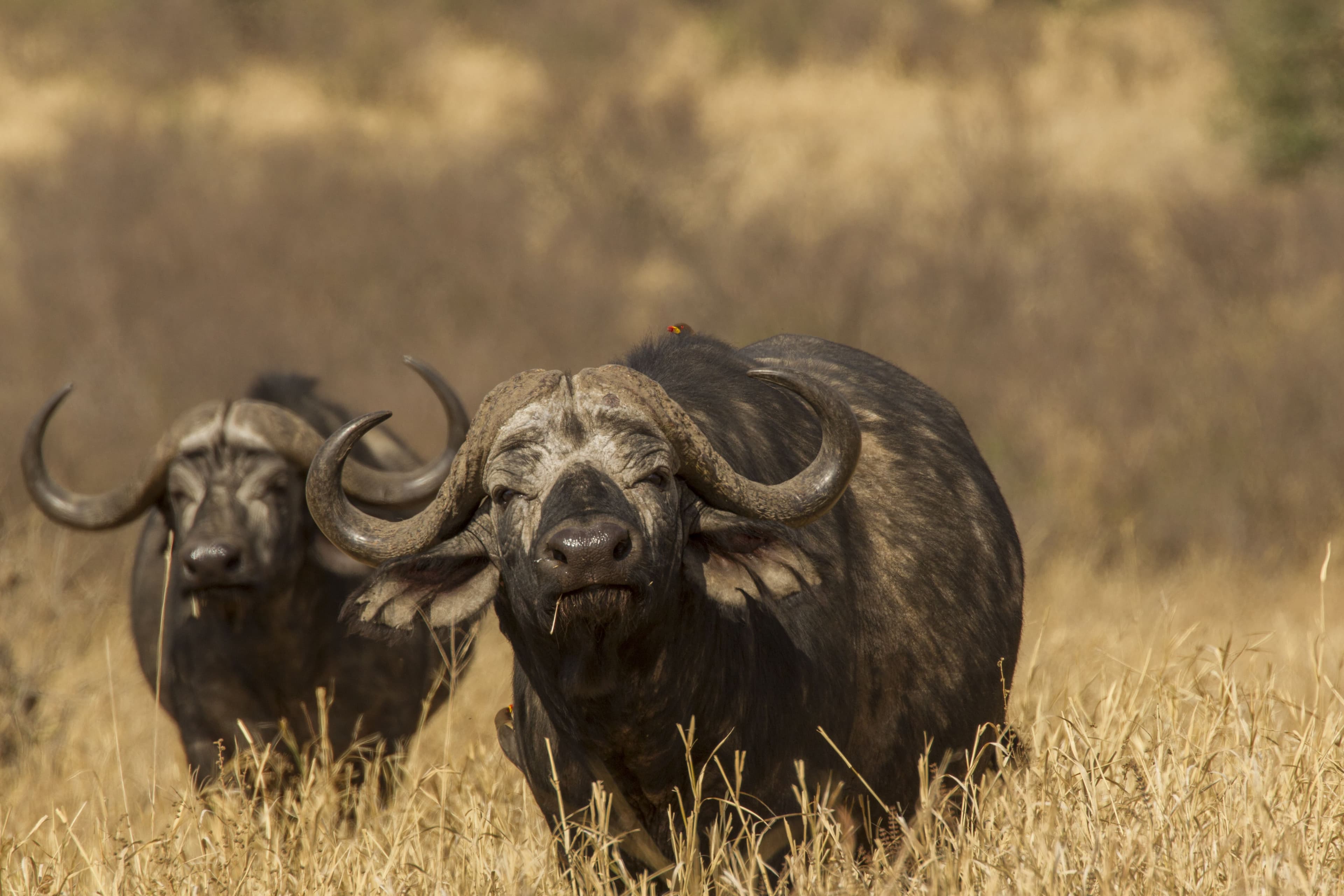
If you want to see the Great Migration of wildebeests, you definitely need to visit the Serengeti National Park. The migration takes place in Tanzania from October to early September, with the wildebeests moving around the Serengeti. In September, a portion of the herd heads to Maasai Mara — a national park in Kenya that is part of the Serengeti ecosystem — and stays there for about two months. However, even during this time, some parts of the herd sporadically cross the border between the two parks in both directions. Since the majority of the wildebeests remain in Tanzania for about 10 months of the year, we boldly recommend you to witness this unique phenomenon! What’s more, your tour begins with a visit to the magnificent Ngorongoro Crater, which is on the way to the Serengeti and serves as a gateway to the vast valley. Here, you will find a world where predators and herbivores coexist in harmony. If you want to witness the most exciting events of the Great Migration, feel free to contact our experts for advice. We’ll be happy to guide you on the best season to visit, ensuring you experience exactly what you're looking for in the African savannah!
Why you'll love this trip
Safari in National Parks: Ngorongoro Crater and Serengeti
Certified and experienced English-speaking safari guide
Built as a 4-day safari starting from $2,090.
Itinerary
Inclusions and activities
Destinations
Ngorongoro Crater and Serengeti
Meals
Hotels and lodges described on the program Meals described on the program Bottled water, soft drinks, hot coffee and tea while in the jeep on safari
Transport
All transfers described on the program Comfortable Land Cruiser 4x4s with pop-up roof, fridge, Wi-Fi, and power outlets
Accommodation
Sound of Silence - Lake Manyara, Sound of Silence - Serengeti, Ngare Sero Mountain Lodge
Included activities
- Certified and experienced English-speaking safari guide
- National park fees for the entire tour (park entry fees and concession fees)
- Free Wi-Fi. Signal will be available in only 60-75% of the travelled territories due to lack of cell coverage in the wilderness areas
- 24/7 phone support service
- Air Ambulance Service by AMREF Flying Doctors
- Binoculars (1 pc per SUV)
- Medical kit
Optional extras / Not Included
- Air tickets;
- Visa fee;
- Travel insurance;
- Tips to your safari guide ($30-50 per day per car).
- By default our tours include shared accommodation in twin/double rooms, unless requested and agreed otherwise. Single supplement is available upon request. Please refer to the program to see your accommodation arrangements
- Moshi and Arusha-based accommodations usually include breakfast only, unless requested and agreed otherwise. Please refer to the program to see your meal plans on each night
- Most safari lodges usually do not include tea, coffee, soft and alcoholic drinks not to have you overpay for beverages you don't need. You will be able to order and pay for drinks at the hotels' restaurants
- Tented lodges are the most common type of accommodation in savannah. Many of them work on solar energy. This sometimes means bucket showers, limited wi-fi and no hair dryers, all in an effort to reduce environmental impact. We encourage you to do some basic research on the accommodations in your program to ensure the safari matches your travel style

Ready to plan your next adventure?
Tell us your ideas, and we'll craft a personalized travel itinerary within 3 hours.